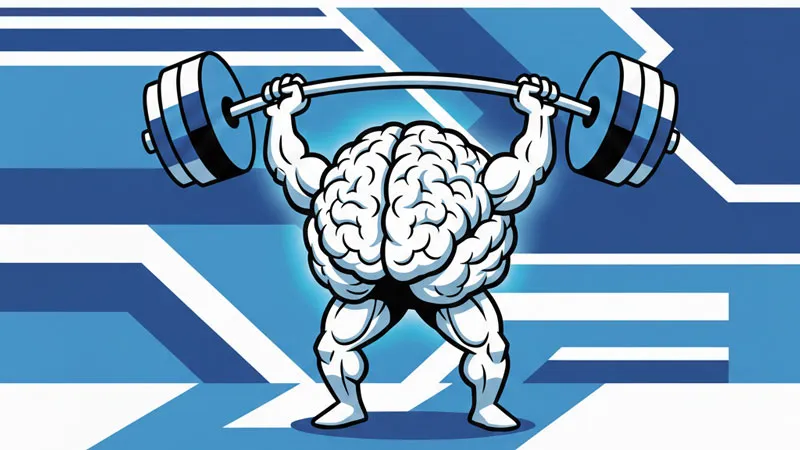
Hockey is more than a test of skill and physical ability—it's a game that challenges the mind as much as the body. Every shift, every practice, and every game presents opportunities to test a player's focus, resilience, and ability to perform under pressure. Speed, strength, and skill will get players noticed, but mental toughness is often what separates those who rise to the top from those who plateau. It's the quiet edge that allows players to push beyond limits, overcome adversity, and elevate their performance when it matters most.
Why Mental Toughness Matters
In hockey, two players with identical skills can have vastly different outcomes based on mindset alone. Mental toughness is what keeps a player performing when the game becomes physically exhausting, emotionally draining, or mentally overwhelming. It's the ability to stay engaged, remain confident, and push forward even when the scoreboard or circumstances are against you. Hockey demands split-second decisions, constant adaptation, and relentless effort—attributes that rely on a strong mental foundation.
Mentally tough players approach every shift with purpose. They anticipate the play, stay ready for anything, and maintain composure even in chaotic situations. They recover quickly from mistakes, adjust their tactics, and maintain high energy levels. This mental edge allows them to contribute consistently, rather than just in moments of luck or when everything falls into place.
Handling Adversity
Setbacks are an inevitable part of hockey. No player goes through a season without facing a bad game, a missed scoring chance, or a loss that stings. The difference lies in how a player responds. Mentally tough athletes see setbacks not as failures, but as opportunities for growth. They analyze mistakes, learn from them, and use those lessons to improve.
Consider a player who loses a critical playoff game. Instead of dwelling on what went wrong, a mentally tough athlete reviews the game, identifies areas to adjust, and commits to better preparation for the next challenge. This resilience is what separates players who stagnate from those who continually evolve, adapt, and excel season after season.
Focus in Every Moment
Hockey is a game of speed, precision, and constant change. One lapse in focus can result in a missed defensive assignment, a lost puck battle, or a game-changing goal. Mental toughness allows players to stay present, block out distractions, and fully commit to each play.
Whether it's a practice drill, a faceoff, a penalty kill, or a high-pressure shootout, players who maintain focus maximize every opportunity to improve and perform. They understand that the small decisions and actions in each moment add up over time, shaping not only the outcome of a game but the trajectory of their development.
Confidence That Carries You
Self-belief is a critical component of mental toughness. Players who doubt themselves hesitate, second-guess decisions, or avoid challenging situations. By contrast, mentally tough athletes trust their preparation, skills, and training. They step onto the ice ready to compete, take calculated risks, and contribute fully to their team.
Confidence is contagious. When a player believes in their abilities, it elevates the team's energy and performance. Teammates feed off that assurance, creating a culture of accountability, determination, and relentless effort.
Building Mental Toughness
Mental toughness isn't innate; it's cultivated through intentional practice and consistent effort. Tools like visualization, goal-setting, and post-game reflection help players strengthen their mindset. Techniques such as controlled breathing, mindfulness, and embracing discomfort in training teach athletes to remain calm and composed under pressure.
Mentally tough players actively seek feedback and use it to improve. They view challenges as stepping stones, not obstacles, and commit to pushing themselves beyond their comfort zones in practice and games alike. Over time, these habits become second nature, providing a foundation for success both on and off the ice.
The Career Advantage
At the highest levels of hockey, every player can skate, pass, and shoot. What separates the top performers is their ability to perform consistently under pressure, bounce back from setbacks, and maintain composure when the stakes are highest. Mental toughness is not just another skill—it's a competitive advantage.
Players with a strong mindset can seize opportunities that less-prepared athletes miss. They remain calm in the final minutes of a tied game, stay composed under the scrutiny of scouts, and push themselves to elevate every shift. This resilience, focus, and confidence often determine who reaches the next level, who thrives under pressure, and who ultimately achieves their full potential.
In hockey, as in life, talent opens the door—but mental toughness keeps it open. Developing the mind to match the body gives players an edge few others possess, and it's often the difference between good players and great ones.